Heavy or Prolonged Periods
Menstrual bleeding may become heavier, last longer or include clots.

Explore Uterine Fibroids, its common features, symptoms and possible contributing factors. This page offers general health information for informed discussions with qualified healthcare professionals to help guide individual health decisions.
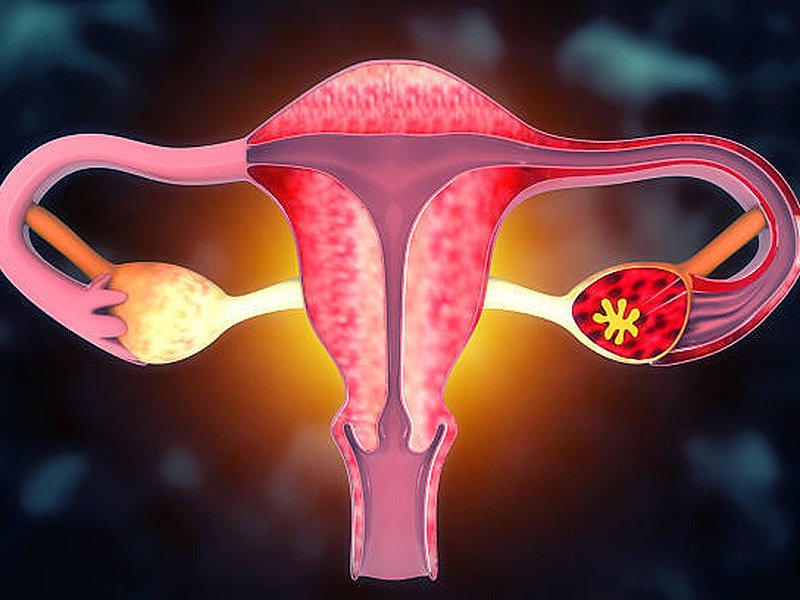
Uterine fibroids are common, non-cancerous growths that develop in or around the muscular wall of the uterus. Some cause no symptoms.
Their size, number and location can influence whether someone experiences heavy periods, pelvic pressure, pain or urinary and bowel symptoms.
Fibroids are not the same as cancer, and symptoms alone cannot confirm their presence. Assessment may include a pelvic examination and ultrasound. Symptom timing, medical history and associated changes help clinicians decide whether further evaluation is appropriate for each person.
Many fibroids are found incidentally and cause no noticeable problems. When symptoms occur, they often relate to bleeding, pressure or the fibroid location.
Menstrual bleeding may become heavier, last longer or include clots.
Some people experience stronger cramps or pelvic discomfort during menstruation.
Larger fibroids may create a feeling of fullness, heaviness or pressure in the lower abdomen.
Pressure or the position of a fibroid may be associated with lower back discomfort.
A fibroid pressing on the bladder may increase the need to urinate.
Depending on their location, some fibroids may affect conception or pregnancy, although many do not.
The exact cause of uterine fibroids is not known. Their growth is influenced by hormones such as oestrogen and progesterone, and genetic changes may be involved.
Family history, age and individual biological factors can influence the likelihood of developing fibroids. They are common during the reproductive years and often shrink after menopause.
Family history of fibroids
Reproductive-age hormone exposure
Genetic changes in uterine cells
Age before menopause
Higher body weight may influence risk
Individual biological factors
Find answers to common questions about Uterine Fibroids, including its definition, reported symptoms, possible contributing factors and when to seek professional advice.
Contact the clinic for general information about its services, opening hours or appointment process. This enquiry channel is not intended for medical advice or diagnosis.
General Enquiry →Discover what patients share about their experiences with The Homoeopath.
I have experienced relief from allergic rhinitis and other concerns while receiving care at the clinic over the past year.
My family and I were treated, and I noticed improvement in my asthma symptoms during my time at the clinic.
The doctor listens patiently, allows time for discussion, understands each case in depth, and treats patients with positivity and care.
I had a satisfactory experience and noticed improvement while following the treatment patiently, as advised by the doctor over time.
Dr. Shuchi is a knowledgeable physician, and her prescriptions have given me positive results during my experience at the clinic.
The doctors' homeopathic approach has made a meaningful difference to my physical symptoms and emotional well-being over the years here.
My wife's recovery from spine problems has been remarkable under Dr. Shuchi Singh's care since beginning treatment in August 2022.
My symptoms improved, and I experienced better well-being; I am grateful to have found these doctors and their healthcare approach.