Irregular Menstrual Cycles
Periods may be infrequent, unpredictable or absent because ovulation does not occur regularly.

Explore PCOD / PCOS, its common features, symptoms and possible contributing factors. This page offers general health information for informed discussions with qualified healthcare professionals to help guide individual health decisions.

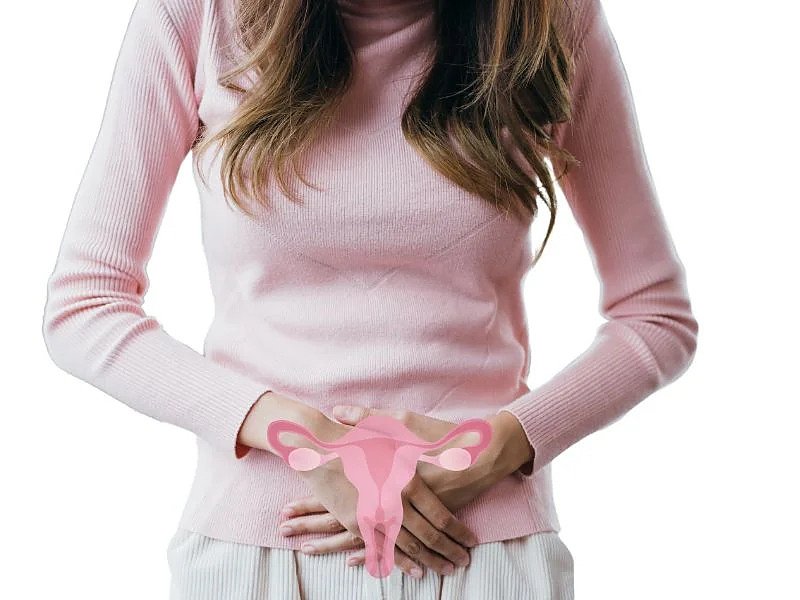
Polycystic ovary syndrome (PCOS) is a common hormonal and metabolic condition that can affect ovulation, menstrual cycles and androgen levels.
Some people experience irregular periods, acne or increased facial and body hair. PCOS can also be associated with insulin resistance and difficulty conceiving.
The name can be misleading: visible ovarian cysts are not required for diagnosis. A clinician considers symptoms, examination and appropriate blood tests or imaging. Symptom timing, medical history and associated changes help clinicians decide whether further evaluation is appropriate for each person.
PCOS can affect people differently. Menstrual changes, signs of higher androgen levels and metabolic features may occur in different combinations.
Periods may be infrequent, unpredictable or absent because ovulation does not occur regularly.
Higher androgen activity may contribute to persistent acne or oilier skin.
Some people notice increased coarse hair growth on the face, chest or abdomen.
Hair on the scalp may become thinner in a pattern associated with androgen sensitivity.
Some people experience weight changes or insulin resistance, although this is not present in everyone.
Irregular ovulation can make pregnancy less predictable, but PCOS does not mean pregnancy is impossible.
The exact cause of PCOS is not fully understood. Hormone signalling, higher androgen levels and insulin resistance can be involved in its development and features.
Inherited susceptibility may contribute, and PCOS can occur in more than one family member. It is not caused by a personal failure or a single lifestyle choice.The relative importance of these factors can vary between individuals.
Family history of PCOS
Insulin resistance
Higher androgen activity
Altered ovulation signalling
Metabolic factors
Individual genetic susceptibility
Find answers to common questions about PCOD / PCOS, including its definition, reported symptoms, possible contributing factors and when to seek professional advice.
Contact the clinic for general information about its services, opening hours or appointment process. This enquiry channel is not intended for medical advice or diagnosis.
General Enquiry →Discover what patients share about their experiences with The Homoeopath.
I have experienced relief from allergic rhinitis and other concerns while receiving care at the clinic over the past year.
My family and I were treated, and I noticed improvement in my asthma symptoms during my time at the clinic.
The doctor listens patiently, allows time for discussion, understands each case in depth, and treats patients with positivity and care.
I had a satisfactory experience and noticed improvement while following the treatment patiently, as advised by the doctor over time.
Dr. Shuchi is a knowledgeable physician, and her prescriptions have given me positive results during my experience at the clinic.
The doctors' homeopathic approach has made a meaningful difference to my physical symptoms and emotional well-being over the years here.
My wife's recovery from spine problems has been remarkable under Dr. Shuchi Singh's care since beginning treatment in August 2022.
My symptoms improved, and I experienced better well-being; I am grateful to have found these doctors and their healthcare approach.